
Anti-Inflammatory Foods for Men
Discover how nutrient-rich foods can support vitality and overall wellness through evidence-based nutrition science
The information on this site is for educational purposes only and does not constitute medical advice. Always consult a qualified healthcare professional before making health decisions.
Why Anti-Inflammatory Nutrition Matters for Men
A growing body of nutritional research shows that certain foods contain powerful compounds that support the body's natural balance. This guide explores which foods are most beneficial and how to incorporate them into your daily routine.
Understanding Food's Role in Male Health
The foods we eat directly influence how our bodies function day to day. When we consistently choose nutrient-dense whole foods, we're providing our systems with the building blocks they need to thrive. Research in nutritional science has identified specific compounds in plant-based foods that support optimal bodily function.
For men specifically, certain nutrients play particularly important roles in maintaining energy, muscle function, cardiovascular support, and overall vitality. By understanding which foods contain these beneficial compounds, you can make informed choices that align with your health priorities.
This editorial explores the science behind nutrient-rich foods, offering practical insights you can use to design a dietary approach that works for your lifestyle and goals.

Top Anti-Inflammatory Superfoods
These nutrient-rich foods are backed by nutritional science and offer multiple beneficial compounds
Fatty Fish
Salmon, mackerel, and sardines contain omega-3 fatty acids that support cardiovascular function and joint mobility. These essential nutrients are particularly beneficial for maintaining muscle recovery after physical activity.
Dark Leafy Greens
Spinach, kale, and collard greens are packed with antioxidants and vitamins that support cellular function. They're also excellent sources of minerals important for bone health and muscle function in men.
Berries
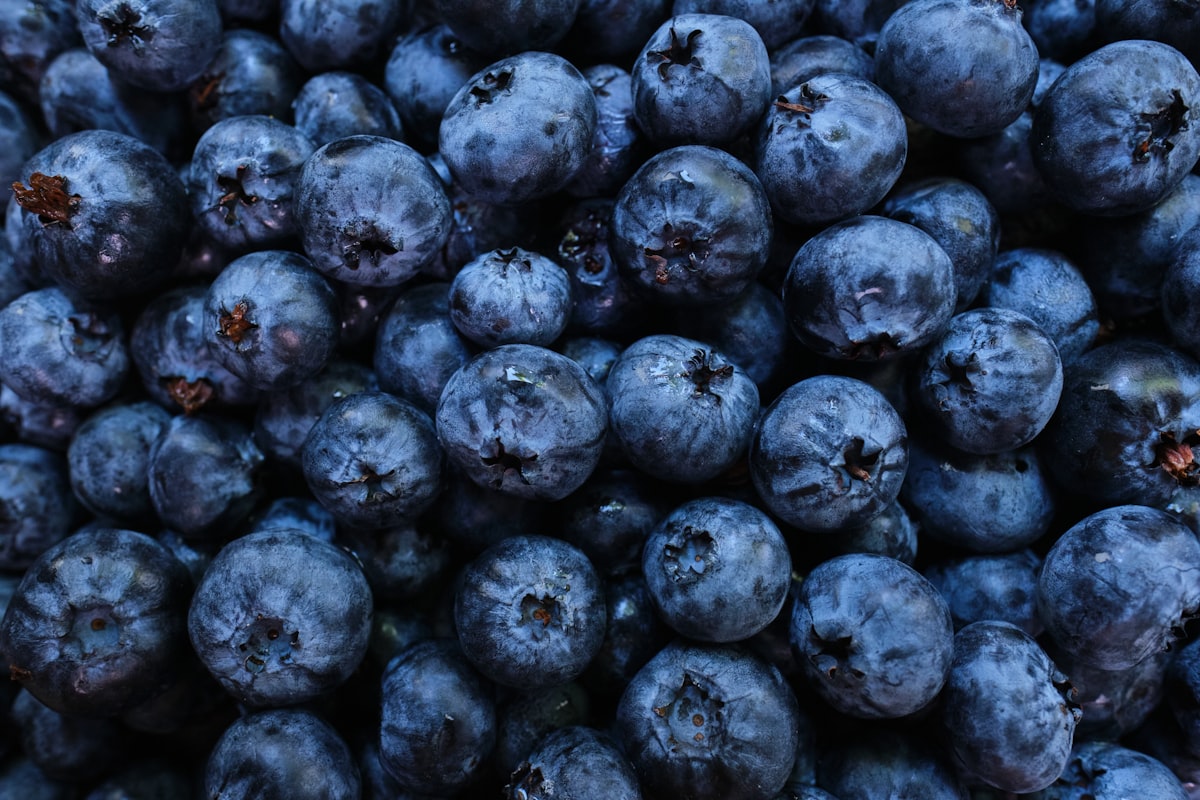
Blueberries, strawberries, and raspberries contain polyphenols and anthocyanins—compounds that support immune function and cognitive clarity. Their natural sweetness makes them easy to incorporate into meals.
Cruciferous Vegetables
Broccoli, cauliflower, and Brussels sprouts contain sulforaphane and other phytonutrients. These compounds support the body's natural detoxification processes and overall metabolic function.
Extra Virgin Olive Oil
A staple of Mediterranean cuisine, olive oil contains polyphenols and oleocanthal that support cardiovascular health. It's ideal for drizzling on vegetables or creating healthy salad dressings.
Turmeric & Ginger
These spices contain curcumin and gingerol—active compounds supported by nutritional research. They add flavor to meals while offering compounds that support the body's natural response systems.
Your 5-Step Journey to Anti-Inflammatory Eating
A practical approach to gradually incorporating nutrient-rich foods into your daily diet
Assess Your Current Diet
Spend a week tracking what you typically eat. Note which meals leave you feeling energized and which ones don't. This creates a baseline and helps you identify patterns worth changing.
Add Colorful Vegetables First
Begin by adding one additional serving of colorful vegetables to each meal. Aim for variety in colors—each color represents different beneficial compounds your body can utilize.
Incorporate Healthy Fats
Replace refined oils with extra virgin olive oil. Include fatty fish twice weekly. Add nuts, seeds, and avocados to your meals. These sources provide omega-3s and other beneficial fats.
Reduce Processed Foods Gradually
Rather than eliminating foods overnight, progressively reduce intake of ultra-processed items. Replace them with whole-food alternatives. This sustainable approach helps establish lasting habits.
Track How You Feel
After 3-4 weeks of consistent dietary changes, notice any shifts in your energy, sleep quality, and overall sense of vitality. Keep notes on what changes feel most beneficial for you personally.
Featured Recipes & Meal Ideas
Delicious, practical recipes featuring anti-inflammatory ingredients you can prepare at home
Grilled Salmon with Herbs
Omega-3 rich salmon paired with fresh herbs and lemon. Ready in 20 minutes for a quick, nutritious dinner.
Read recipe →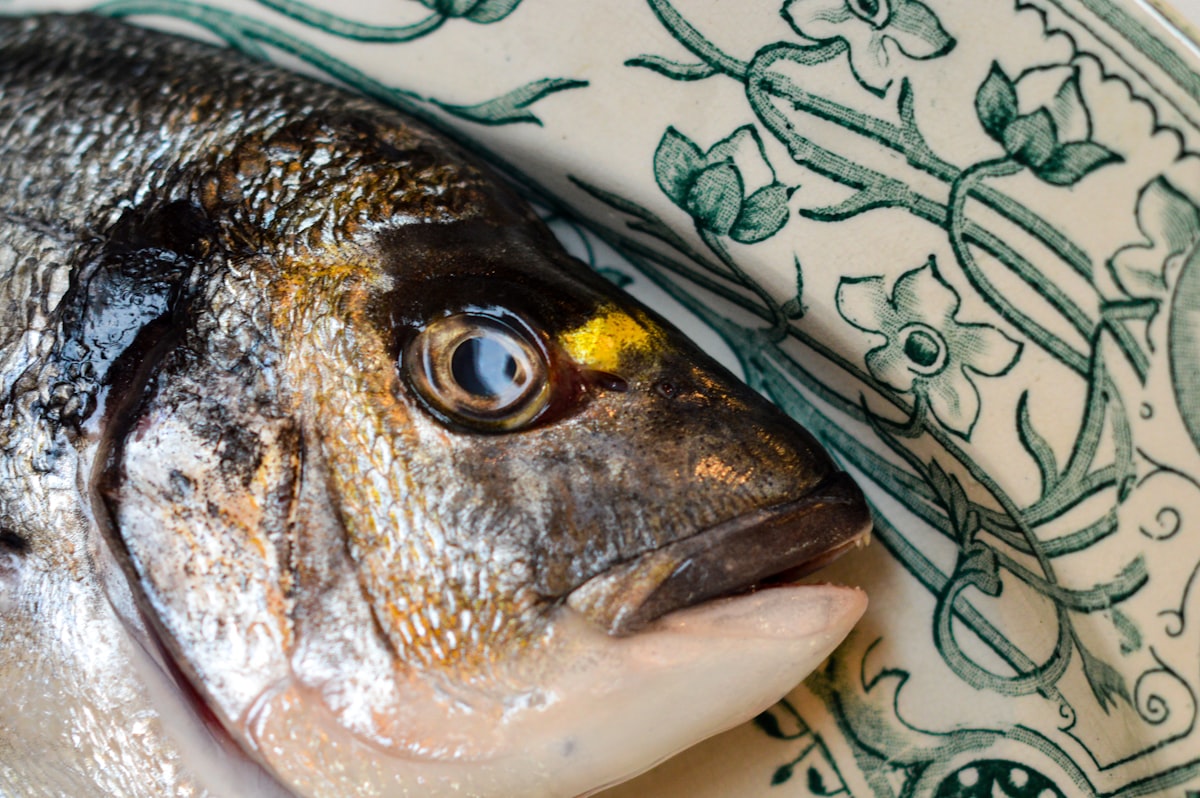
Nutrient-Dense Buddha Bowl
Layered vegetables, grains, and protein featuring dark leafy greens, colorful vegetables, and tahini dressing.
Read recipe →
Turmeric & Ginger Stir-Fry
Colorful vegetables with aromatic spices and olive oil. A flavorful way to incorporate multiple superfoods in one meal.
Read recipe →What Readers Say
Real feedback from men who've explored anti-inflammatory nutrition through our content
"The food guide section completely changed how I approach my meals. I never realized how many nutrient-rich options I was missing. The recipes are straightforward and actually taste great. I've noticed improvements in my energy levels and overall sense of vitality within just a few weeks of making these changes."
Budi Santoso
Jakarta
"As someone who travels frequently for work, I needed practical dietary advice I could implement anywhere. This content breaks down anti-inflammatory eating in a way that doesn't require complicated meal prep. The science behind each food choice helps me understand why I'm making these decisions, not just following rules."
Reza Handoko
Bandung
"I've always been interested in nutrition but never knew where to start. The step-by-step approach made it easy to integrate these foods gradually without feeling overwhelmed. My wife appreciated the emphasis on whole foods, and our family has benefited from the recipes. The content is evidence-based without being preachy."
Ahmad Wijaya
Surabaya
Common Questions About Anti-Inflammatory Foods
Evidence-based answers to help you understand food's role in supporting your health
What makes a food "anti-inflammatory"?
Foods are considered anti-inflammatory when they contain compounds—like polyphenols, omega-3 fatty acids, and antioxidants—that research suggests may support the body's natural balance. These aren't foods that "fight inflammation" in a medical sense, but rather nutrient-dense whole foods rich in beneficial compounds supported by nutritional science.
How long does it take to notice changes?
Individual responses vary significantly. Some people report noticing improvements in energy and sleep quality within 1-2 weeks of consistent dietary changes, while others take 4-6 weeks to observe noticeable shifts. The key is consistency and patience. Keep notes on how you feel to identify personal patterns.
Can I still eat meat on an anti-inflammatory approach?
Yes, absolutely. An anti-inflammatory approach emphasizes whole foods, which includes high-quality proteins. Lean meats, fatty fish, and poultry can absolutely be part of this eating pattern. The focus is on combining proteins with plenty of vegetables, healthy fats, and whole grains rather than replacing animal protein entirely.
Is this the same as a Mediterranean diet?
There's significant overlap. The Mediterranean diet is a well-researched eating pattern that emphasizes many of the same foods we discuss—vegetables, fish, olive oil, nuts, and whole grains. An anti-inflammatory dietary approach may be more broadly customizable based on individual needs and preferences, but the core principles align closely with Mediterranean nutrition.
Do I need to buy organic or specialty foods?
No. While organic options are available, conventional whole foods offer the same beneficial compounds. The priority is eating whole foods consistently rather than sourcing premium products. Start with whatever produce and proteins are affordable and accessible to you, then explore premium options as your budget allows.
Can anti-inflammatory eating support athletic performance?
Yes. Nutrient-dense whole foods support recovery, muscle function, and sustained energy for physical activity. The omega-3 fatty acids from fish, antioxidants from vegetables, and carbohydrates from whole grains all play roles in athletic performance. Many athletes incorporate anti-inflammatory eating principles while adjusting portions based on training intensity.
Explore Our Complete Food & Nutrition Guide
Access detailed articles, recipes, and practical strategies for incorporating anti-inflammatory foods into your lifestyle
Stay Updated With Our Latest Content
Subscribe to receive new articles, recipes, and nutrition insights delivered to your inbox
We send occasional content updates. No spam, unsubscribe anytime.