
Anti-Inflammatory Foods for Men
Discover how strategic food choices can help support your body's natural balance and vitality
The information on this site is for educational purposes only and does not constitute medical advice. Always consult a qualified healthcare professional before making health decisions.
Why Anti-Inflammatory Nutrition Matters for Men

Chronic inflammation can silently affect energy levels, joint comfort, and overall wellbeing. For men, dietary choices represent one of the most direct ways to influence this underlying process.
Certain foods contain natural compounds that support the body's balance mechanisms. By incorporating these nutrient-dense options into daily meals, men can work with their physiology rather than against it.
This guide explores scientifically-recognized food categories that have been traditionally used to support anti-inflammatory approaches to nutrition.
- Whole food focus: Emphasis on minimally processed options
- Easy implementation: Practical swaps for everyday meals
- Sustainable approach: Long-term lifestyle changes rather than temporary restrictions
Core Features of Anti-Inflammatory Nutrition
Plant-Based Omega-3 Sources
Flaxseeds, walnuts, and chia seeds provide alpha-linolenic acid, supporting the body's natural inflammatory response balance. These accessible ingredients integrate easily into breakfasts and snacks.
Cold-Water Fish
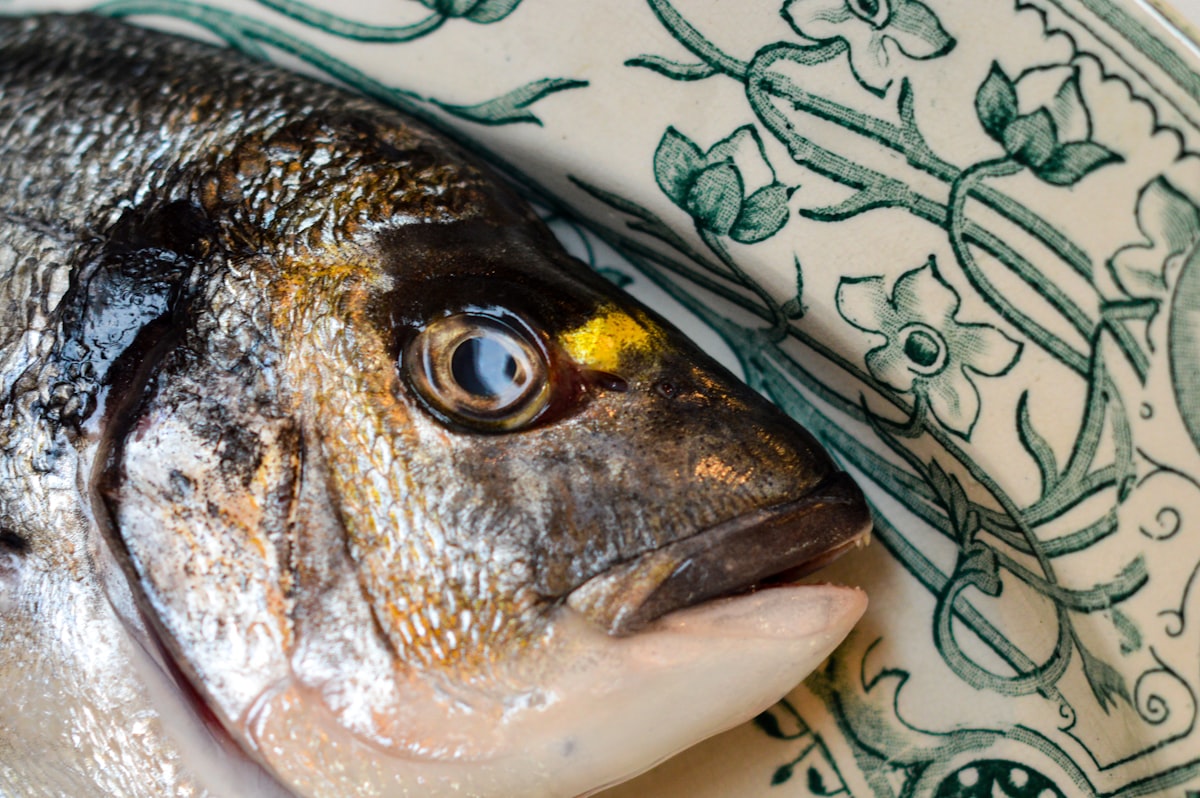
Salmon, mackerel, and sardines deliver EPA and DHA omega-3 fatty acids. These nutrients support the body's natural mechanisms for managing cellular responses to various stimuli.
Spice Power: Turmeric & Ginger
Curcumin in turmeric and gingerol in ginger have been researched for their potential to support the body's inflammatory balance. These culinary staples add flavor while contributing functional benefits.
Cruciferous Vegetables
Broccoli, Brussels sprouts, and cauliflower contain sulforaphane and other bioactive compounds that support cellular resilience and the body's antioxidant defenses.
Antioxidant-Rich Berries
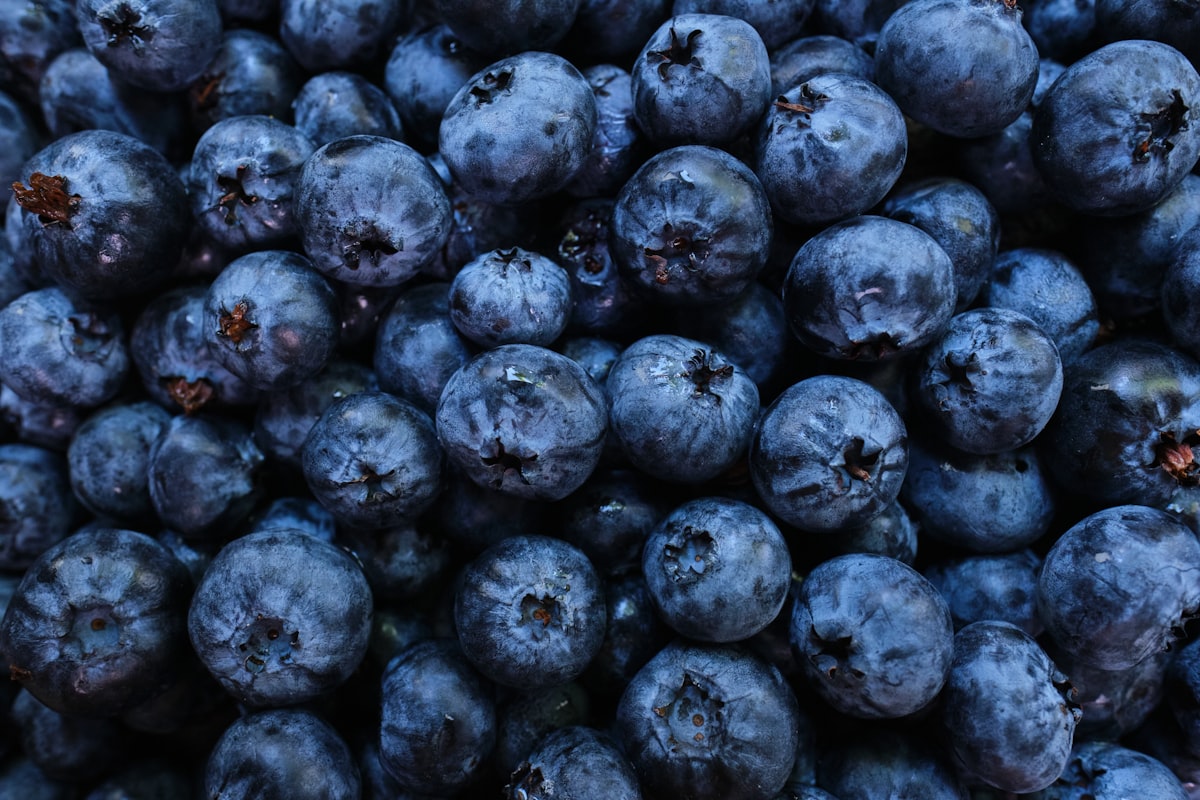
Blueberries, strawberries, and raspberries contain anthocyanins and polyphenols that combat oxidative stress—a key driver of unwanted inflammatory cascades in the body.
Healthy Fats: Olive Oil & Nuts
Extra virgin olive oil and tree nuts provide monounsaturated fats and polyphenols. These reduce intake of pro-inflammatory omega-6 dominated oils while supporting overall cardiovascular resilience.
5-Step Framework for Anti-Inflammatory Eating
Assess Current Patterns
Begin by tracking which foods currently dominate your diet. Identify processed items, refined oils, and added sugars—these tend to amplify inflammatory markers. This baseline awareness becomes your starting point.
Add, Don't Restrict
Rather than eliminating favorite foods, focus on adding nutrient-dense anti-inflammatory options. Introduce fatty fish twice weekly, increase vegetable servings, and swap refined grains for whole grains. A positive addition mindset proves more sustainable than deprivation.
Gradually Replace Problem Foods
Once anti-inflammatory foods become habit, gently reduce pro-inflammatory items. Replace vegetable oil with olive oil. Swap white bread for whole grain. Substitute sugary drinks with herbal tea. These gradual shifts prevent dietary shock and build lasting habits.
Optimize Meal Composition
Aim for balanced plates: lean protein, colorful vegetables, whole grains, and healthy fats. This combination slows glucose absorption, maintains steady energy, and minimizes inflammatory spikes after eating. Consistency matters more than perfection.
Monitor and Adjust
Pay attention to how you feel: energy levels, joint comfort, digestion, and mood. After 4-6 weeks, most people notice shifts. Use this feedback to fine-tune portions and food choices. Everyone's optimal anti-inflammatory diet differs slightly based on individual response.
Gallery: Anti-Inflammatory Recipes in Action
Omega-3 Rich Salmon Bowl
Wild-caught salmon paired with roasted sweet potato, leafy greens, and tahini dressing
Turmeric Golden Milk
Warm spiced drink with turmeric, ginger, coconut milk, and black pepper for enhanced absorption

Berry Antioxidant Smoothie
Blueberries, spinach, almond butter, and Greek yogurt for protein and polyphenols

Cruciferous Buddha Bowl
Roasted broccoli, Brussels sprouts, chickpeas, quinoa, and olive oil vinaigrette
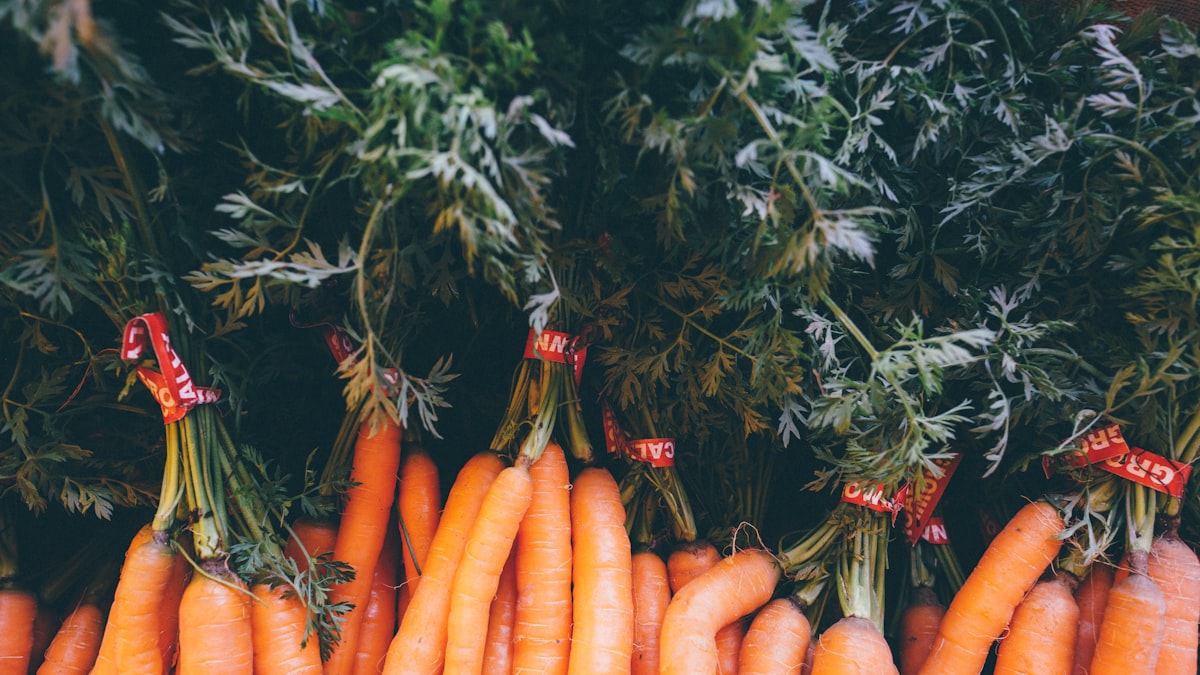
Ginger Vegetable Broth
Warming soup with ginger, garlic, bone broth, and mixed vegetables for sustained nourishment

Walnut & Seed Grain Salad
Farro or bulgur with walnuts, pumpkin seeds, leafy greens, and lemon-olive oil dressing
Frequently Asked Questions
Individual timelines vary significantly. Some people report improved energy and joint comfort within 2-3 weeks of consistent dietary changes. Others notice shifts over 6-8 weeks. The key is maintaining consistency—these foods work best as sustained patterns rather than occasional choices. Factors like sleep, stress, and exercise also influence how quickly your body responds.
Real Stories: Men Embracing Anti-Inflammatory Eating
"After three months of focusing on whole foods and reducing processed items, my energy levels completely transformed. I sleep better, feel less sluggish in afternoons, and my recovery from gym sessions improved noticeably. This isn't a diet—it's how I eat now."
Marcus Chen
Jakarta, Indonesia
"I was skeptical at first, but switching to anti-inflammatory foods genuinely helped with joint discomfort after sports. The turmeric and ginger suggestions were game-changers. Meals became more interesting when I started exploring different preparation methods."
Ravi Patel
Bandung, Indonesia
"Incorporating more fish and vegetables wasn't as difficult as I expected. The gradual replacement approach worked perfectly—I didn't feel deprived. Mental clarity improved within weeks, and I genuinely enjoy these foods now rather than forcing myself."
David Wirawan
Surabaya, Indonesia
Start Your Anti-Inflammatory Journey
Explore our comprehensive food guides, recipes, and research to understand how strategic eating supports your body's natural balance.
For questions about our editorial content, reach out to our team at [email protected]